What Is Sukiyaki Hotpot?
All You Need to Know About Sukiyaki Hot pot
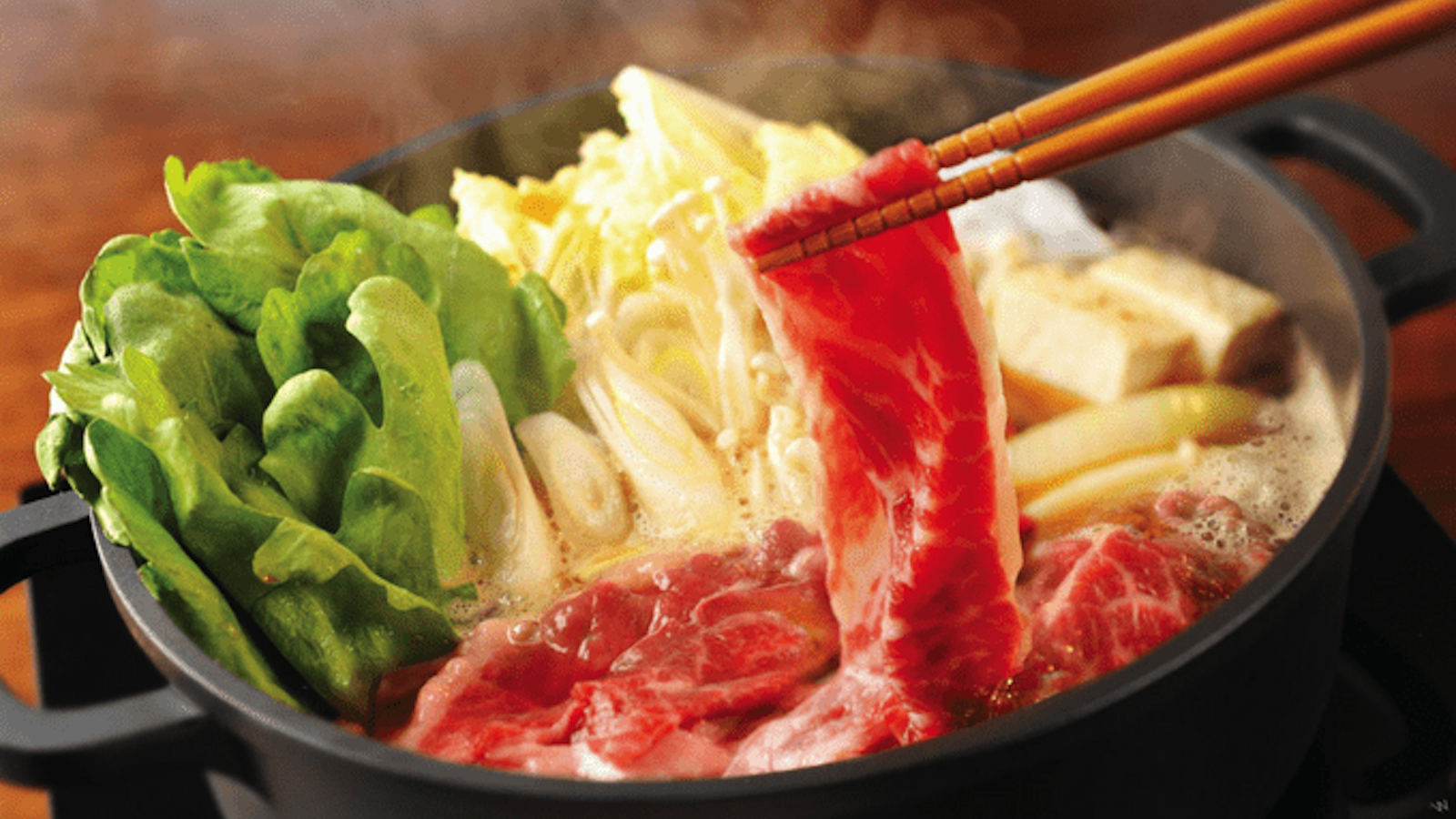
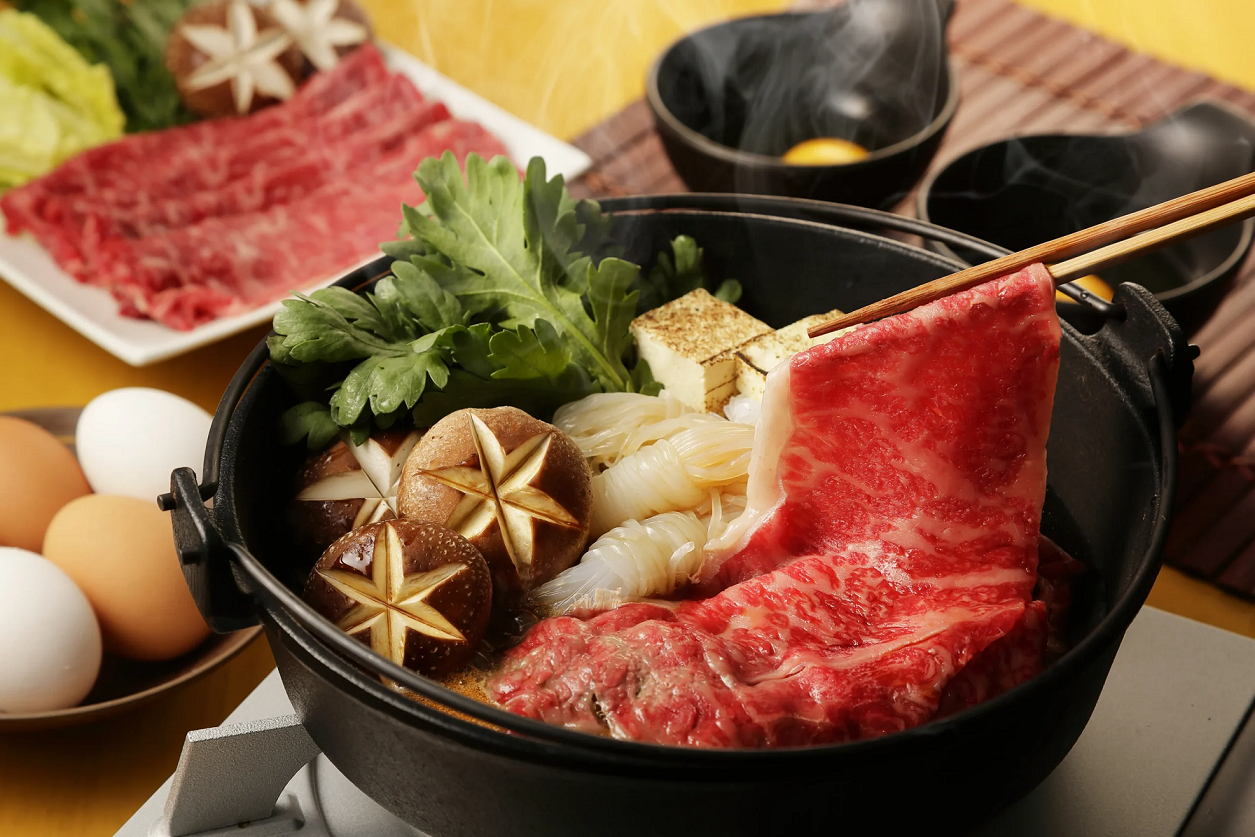
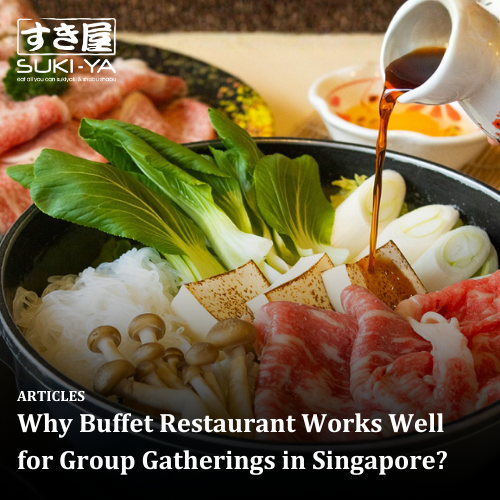
Sukiyaki is a Japanese hotpot dish made by simmering thin slices of beef, vegetables, tofu, and noodles in a sweet, soy-based broth, traditionally served with a raw beaten egg for dipping. It's one of the most well-known styles of Japanese hotpot, cooked and eaten communally at the table using a shallow iron pot.
If you've ever seen a table gathered around a simmering pot in a Japanese restaurant, with everyone cooking their own ingredients and dipping the cooked meat into a small bowl of egg, that's very likely sukiyaki.
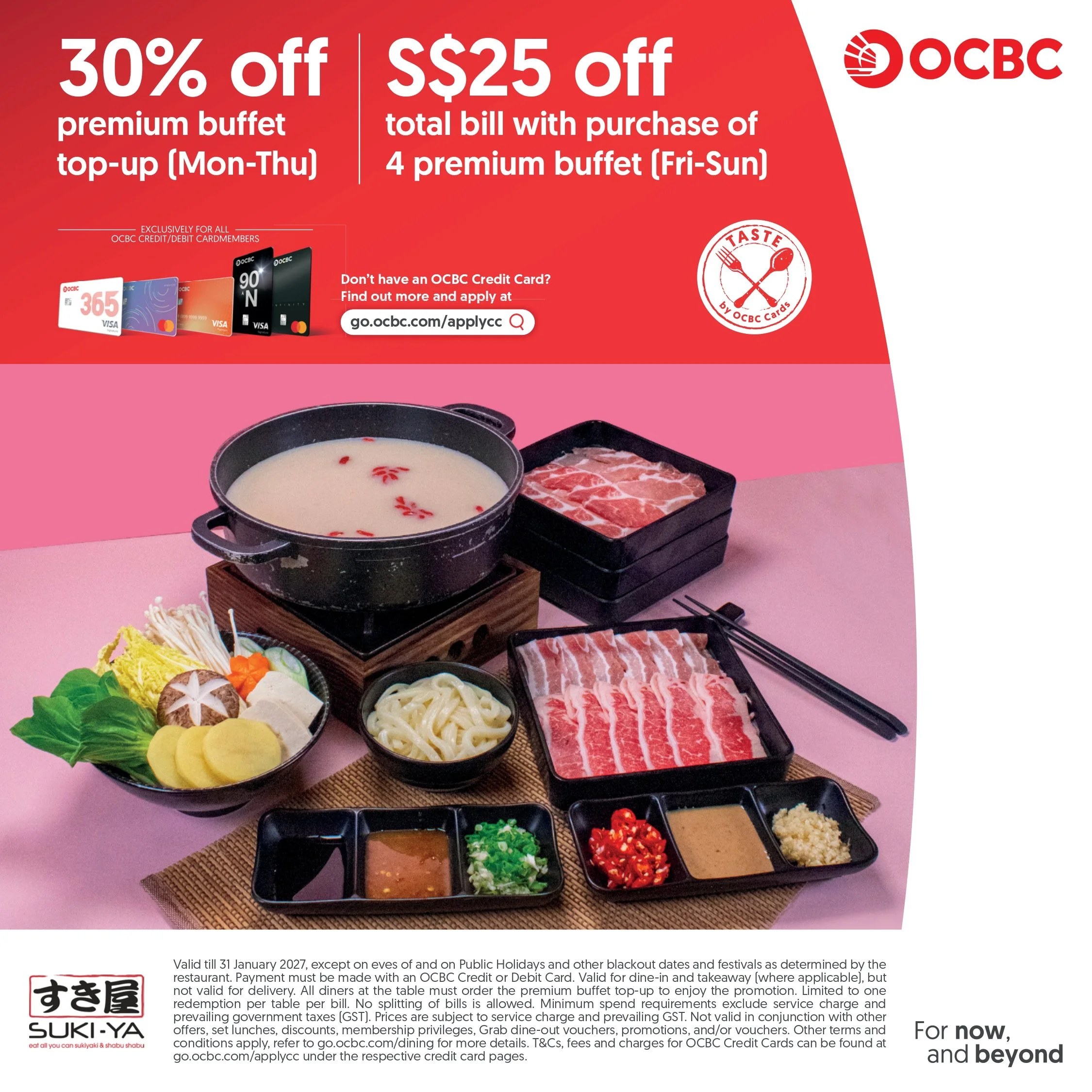
Looking for Sukiyaki Hotpot experience, try Suki-ya All-you-can-eat Japanese hotpot.
1. Is Sukiyaki A Type Of Hotpot?
Yes. Sukiyaki falls under the broader category of hotpot, which refers to any dish cooked in a simmering pot at the table, with diners adding and cooking their own ingredients as they eat. Hotpot exists in many forms across Asia, from Chinese mala hotpot to Korean jeongol, and sukiyaki is Japan's take on the format.
What sets sukiyaki apart within the hotpot family is its broth and cooking method. Rather than simmering everything together in one pot of liquid for the whole meal, sukiyaki is often cooked in stages, starting with beef seared directly in the pot before the sweet soy-based broth, vegetables, and other ingredients are added. This gives sukiyaki a slightly different rhythm from other hotpot styles, where ingredients typically go straight into a pre-simmering broth.
So while every sukiyaki is a hotpot, not every hotpot is sukiyaki. If you're searching for "sukiyaki hotpot," you're really looking for the Japanese, soy-based version of this style of communal cooking.
2. How Sukiyaki Is Made
Sukiyaki starts with a broth called "warishita," made from a mix of soy sauce, sugar, mirin, and sake. This gives the dish its distinct sweet-savoury flavour, which sets it apart from most other hotpot styles. The broth is heated in a shallow cast iron pot, and ingredients are added and cooked in stages rather than all at once.
Thinly sliced beef is the star of the dish, prized for cooking quickly in the hot broth and soaking up flavour within seconds. Alongside the beef, a typical sukiyaki spread includes:
Napa cabbage and other leafy vegetables
Shiitake and enoki mushrooms
Grilled tofu
Shirataki noodles (thin, translucent noodles made from konjac)
Spring onions
As the ingredients cook, the broth reduces slightly and thickens, coating everything in a rich, glossy glaze.
3. Why The Raw Egg Matters
One of the most recognisable parts of eating sukiyaki is the raw egg dip. Before eating, diners crack a raw egg into a small bowl, beat it lightly, and dip the hot, just-cooked beef into it. The egg cools the meat down slightly so it's easier to eat, while also adding a silky, custard-like coating that balances the sweetness of the broth. It might sound unusual to diners unfamiliar with the dish, but it's a defining part of the sukiyaki experience and worth trying at least once.
4. Sukiyaki vs Shabu-Shabu: What's The Difference?
Sukiyaki is often mentioned in the same breath as shabu-shabu, and it's easy to see why — both are Japanese hotpot dishes cooked at the table, both typically feature thinly sliced beef, and both are meant to be shared. The difference comes down to the broth and how the meat is prepared.
Sukiyaki uses a rich, soy-based broth that actively flavours the meat as it cooks, plus the raw egg dip afterward. Shabu-shabu, on the other hand, uses a much lighter broth, often just kombu (dried kelp) stock, and the meat is swished briefly through the hot liquid before being dipped into a separate sauce like ponzu or sesame. In short: sukiyaki is richer and sweeter, while shabu-shabu is cleaner and lets the ingredients speak for themselves.
Many Japanese hotpot restaurants, including those in Singapore, offer both styles side by side, so diners don't have to choose just one.
5. Is Sukiyaki Healthy?
Sukiyaki can fit into a balanced meal fairly well, since it naturally includes a mix of protein, vegetables, mushrooms, and tofu cooked with minimal oil. The main thing to watch is the broth itself, which is higher in sodium and sugar due to the soy sauce and mirin base. Portion size and how much broth is consumed on its own (rather than just used for cooking) will affect how light or indulgent the meal ends up being.
Where To Try Sukiyaki In Singapore
If you're looking to try sukiyaki in Singapore, Suki-Ya is one of the most established names for it. Known as the "House of Hot Pot," Suki-Ya specialises in Japanese-style all-you-can-eat hotpot, with sukiyaki as its signature style alongside shabu-shabu.
Suki-Ya's sukiyaki broth follows the traditional soy-based style, paired with unlimited servings of thinly sliced beef, pork, and chicken, plus a vegetable bar with fresh greens and mushrooms to round out the pot. Diners looking for something more indulgent can also upgrade to a Premium Buffet featuring wagyu beef, Iberico pork, and Duroc pork collar. The classic egg dip is part of the experience too, giving diners the full, authentic sukiyaki ritual from start to finish.
Suki-Ya currently has three outlets across Singapore:
Bugis+ — #04-14/15, 201 Victoria Street, Singapore 188067
Marina Square — 6 Raffles Boulevard, #02-183B/C, Marina Square, Singapore 039594
Plaza Singapura — 68 Orchard Road, #04-62, Plaza Singapura, Singapore 238839
Frequently Asked Questions (FAQ’s)
Is sukiyaki a hotpot? Yes, sukiyaki is a type of Japanese hotpot. It belongs to the same broad category as other hotpot styles cooked at the table, but is distinguished by its sweet, soy-based broth and staged cooking method.
Where can I eat sukiyaki in Singapore? Suki-Ya offers an all-you-can-eat sukiyaki and shabu-shabu buffet at its outlets in Bugis+, Marina Square, and Plaza Singapura.
Sukiyaki is a comforting, communal dish built around simple ingredients and a rich, distinctive broth — the kind of meal that's as much about the shared experience as it is about the food itself. If you want to try it done properly, Suki-Ya's all-you-can-eat format is one of the most accessible ways to enjoy an authentic sukiyaki meal in Singapore.
You May Also like

Latest Promotions